Every AI success story sold this year has the same shape. A task that used to take hours now takes minutes. A role that used to need a hire now needs a subscription. That story is true. It's also incomplete, and the missing part is the more useful one.
This week's worth of case studies, a newsletter writer, a consultant, and a solo founder, share something the tool comparisons never mention. None of them automated everything they could have. Each one made a specific, deliberate choice about what to keep for themselves. That choice, not the tool stack, is what made the system actually work.
The editorial line
Carrie used to spend six hours writing a single newsletter post, then paid a content team $4,000 a month just to keep up with output. Today the same work runs through two tools, one for research, one for a first draft, and gets done in under an hour.
Here's the part that doesn't show up in the tool comparisons. She still rewrites the opening herself. She adds her own story to every post. She cuts anything that reads like a template, because an AI draft defaults to safe and generic the moment nobody steers it. The system isn't "AI writes, I publish." It's "AI drafts, I decide what's actually mine."
The framework she had to write down first
Stacie built a full course, ninety-four minutes of material and four PDFs, over a single holiday weekend using AI coding tools. That sounds like the tooling did the work. It didn't.
Before she asked the AI to build anything, she spent hours writing a single document by hand: her brand voice, her ideal client, and eight years of proprietary consulting methodology, laid out step by step. Only once that foundation existed could the AI produce something usable. Her own words for it: that's not magic, that's process.
This is the part most people skip when they try to turn a book, a course, or a framework into something interactive. The bottleneck was never the software. It was that nobody had written the framework down clearly enough for anything, human or AI, to build from it.
The job he gave back to himself
Maor built his company to nearly $1.5 million in revenue in its first month, largely by automating work that would normally require a product manager, a QA engineer, and a developer. He even built a customer support bot.
He shut it down after two weeks. Not because it failed. Because answering support tickets himself was the only way he stayed close to what was actually happening inside his own product. He gave that job back to himself on purpose, at a real cost in time, because the information he got from doing it manually was worth more than the hours it saved.
"The boundary doesn't demo well. But the boundary is the actual skill."
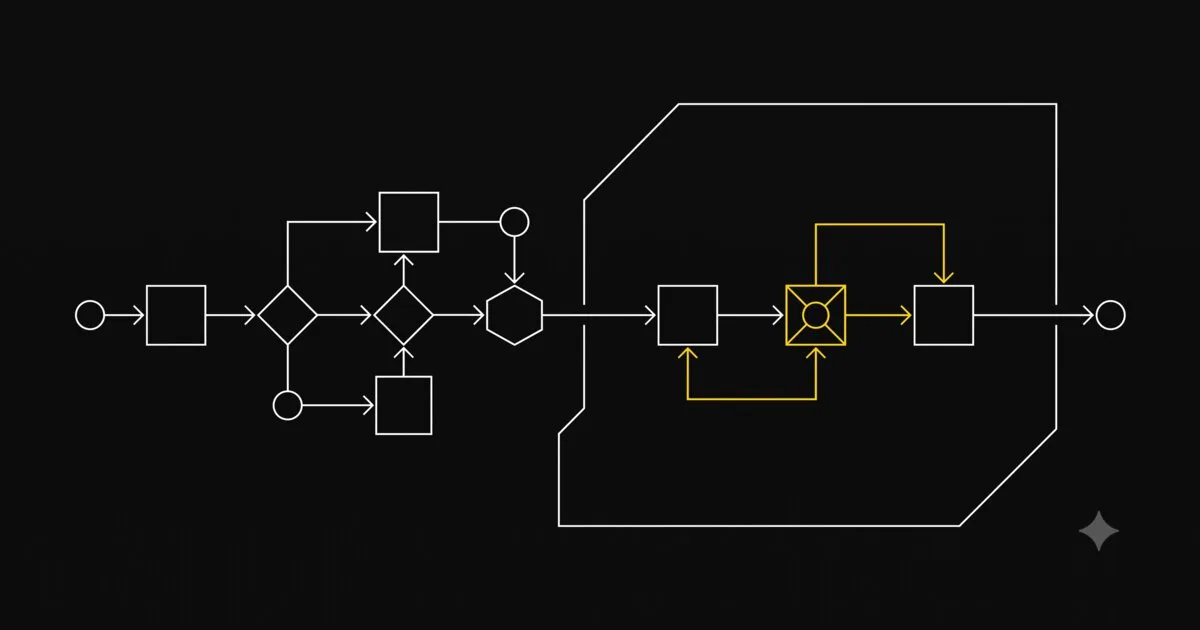
None of these three are anti-AI. They're all using it aggressively, in some cases more aggressively than most solo operators would consider reasonable. But in every case, the system has an edge drawn around it, and that edge was drawn on purpose. If you're building any kind of AI system for your own content, your own methodology, or your own business, the first question isn't which tool to use. It's what you refuse to hand off, and why. Start there, and the tooling decisions get a lot easier.