When engagement dips, the instinct is to post more. Another video, another thread, another newsletter. Sometimes that works. Often it just adds volume to a feed your audience was already struggling to keep up with.
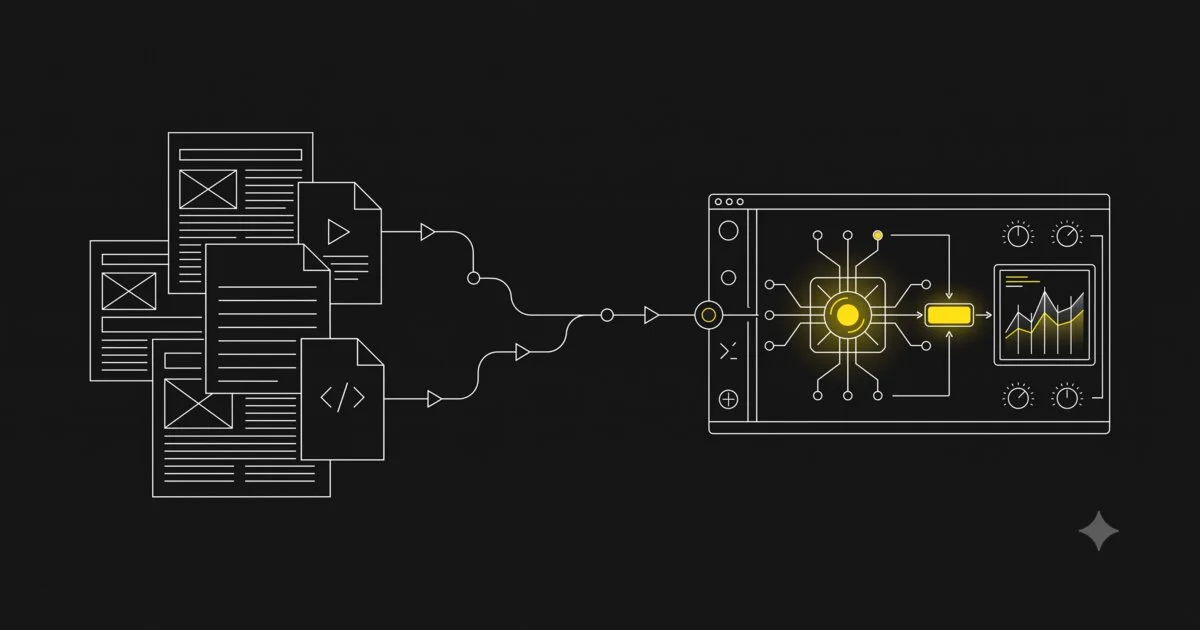
The actual problem usually isn't a content shortage. It's that everything you've published so far does the same job: it gets consumed once and forgotten. More of that doesn't change the equation. What changes it is giving your audience something they use, not just something they read.
What content actually does
Content informs or entertains, once, in the moment someone encounters it. That's genuinely valuable, it's how people find you and how trust gets built. But its value mostly expires the moment the scroll continues. A great post today is old news in a week, buried under everything you've published since.
What utility actually does
A tool doesn't expire the same way. It sits there, ready to be used again whenever the underlying problem comes up for someone, not just the day you happened to publish it. A calculator, a diagnostic, a framework someone can run instead of just read, these get bookmarked, reused, and shared for reasons that have nothing to do with your posting schedule.
How to tell which one you're missing
- Your content gets likes but not returns. People engage once and never come back to that specific piece, because there's no reason to.
- You keep re-explaining the same idea. If you're repeating a framework across formats, that framework wants to be a tool people can run themselves, not read again.
- Your best content ages out fast. If last month's most valuable post is already irrelevant, you're optimizing for a feed instead of building an asset.
"A great post today is old news in a week. A tool is ready whenever the problem comes up again."
None of this means stop making content. It means recognizing that content and utility solve different problems, and if you only have one of them, you're leaving the compounding half on the table.