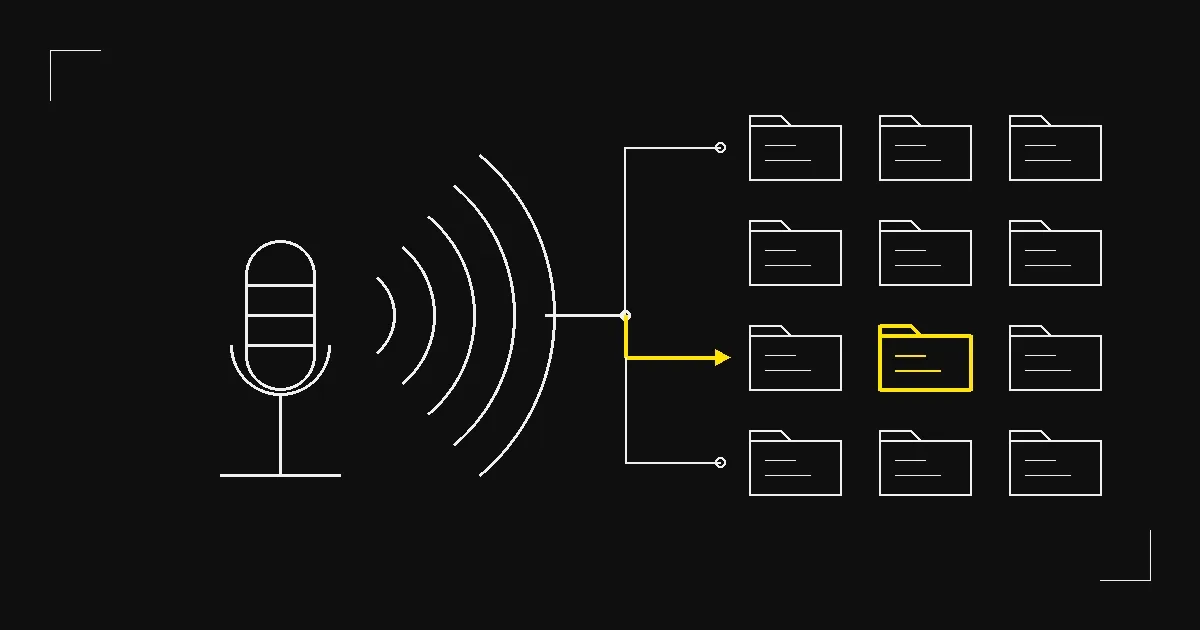
You have hundreds of hours of expertise on tape. Most of it is impossible to search, share, or act on. Your archive is one of your most underutilized assets, not because the content isn't valuable, but because "listen to episode 84" is a terrible way to hand someone an answer.
Here are five ways to turn a back catalog into something people can actually use.
1. A framework extractor
If you've built or referenced a recurring framework across episodes, pull it out of the audio entirely and give it its own interactive home: a tool people can run without needing to know which episode it came from.
2. A best-of finder
Instead of hoping someone stumbles onto your best episode, build a short, structured quiz or filter that routes listeners to the 3-5 episodes most relevant to their specific situation.
3. A recurring segment, standalone
If your show has a segment you repeat, a rapid-fire Q&A, a rating system, a recurring bit, turn that segment's underlying logic into its own tool. It gives new listeners a reason to engage with your show without a 90-minute time investment.
4. A structured entry point
New listeners rarely start at episode one. Build a short "start here" tool that asks two or three questions about what they're trying to solve and routes them into your archive with actual direction instead of a flat list of 200 episodes.
5. Interactive show notes
Static show notes get skimmed once and forgotten. Structured, searchable notes, organized by topic, guest, or takeaway, turn each episode into something people can reference again long after they've stopped listening.
"Instead of hoping someone finds the right episode, give them a direct path to the insight."
None of these require touching your recording workflow. They're built from what you've already said. The archive is the raw material; the tool is what makes it usable.