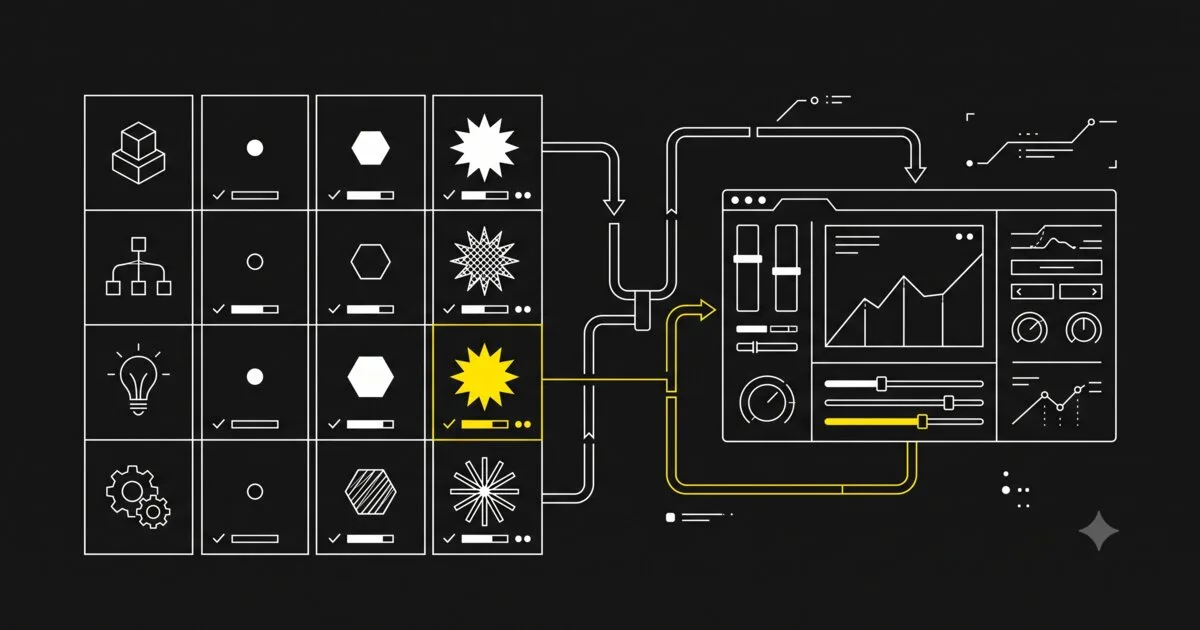
A grading rubric is one of the more underused documents an educator has. It already encodes exactly what "good" looks like for an assignment, broken into specific criteria, and yet in most classrooms it only ever gets used after the work is submitted, when it's too late for the student to act on it.
Turning that same rubric into a self-assessment tool lets students use it before submission, when it can actually change the outcome.
The criteria already exist, they're just applied too late
You don't need to invent new evaluation criteria. Your existing rubric already breaks quality down into specific, checkable components. The only shift is making that same breakdown available to students as they're working, not just as a scorecard after the fact.
Self-assessment builds the skill grading alone can't
Grading tells a student where they landed. Self-assessment against the same criteria before submitting teaches them to notice gaps themselves, which is a skill that transfers well beyond any single assignment. A tool version of your rubric turns a one-time judgment into a repeatable practice.
It reduces the volume of low-effort submissions
A surprising share of weak submissions aren't due to lack of understanding, they're due to students not checking their own work against the standard before turning it in. A quick self-check tool catches a meaningful share of these before they ever reach your desk.
"A grading rubric already encodes exactly what 'good' looks like. It just usually gets used too late to help."
You don't need new infrastructure to try this, your existing rubric is already most of the way to being a tool. It just needs a place students can access it before, not after.