Where the Human Stays in the Loop
A Substack writer, a vendor release, and a solopreneur survey answer the same question differently: what do you leave to a person? Audit your week before you automate any of it.
Read More →Writing
Notes on turning books, courses, and archives into tools people actually use.
Sort by
A Substack writer, a vendor release, and a solopreneur survey answer the same question differently: what do you leave to a person? Audit your week before you automate any of it.
Read More →
AI tools are cheap and getting cheaper. What stays expensive is the point in your process where a human has to decide something, and where you place yourself in the workflow decides everything else.
Read More →
Adobe wants your PDF to read faster. Authors and consultants have a narrower problem: which single part of the book should become a tool a client runs without you.
Read More →
AI clones for coaches and consultants aren't failing at launch. They're failing months later, from a kind of drift nobody built an audit to catch.
Read More →
A $1.5 billion settlement is exposing who actually owns creative work. Solo operators carry the identical risk without ownership terms written down before day one.
Read More →
Most eLearning authoring software assumes you already have a course. Authors, consultants, and researchers usually have a manuscript, a framework, or a report instead.
Read More →
Companies that automated judgment away are already rehiring for it. Solo operators building AI-run businesses are learning the same lesson, faster: build in somewhere it's allowed to say no.
Read More →
AI clone platforms promise a version of you by this afternoon. The people who actually built one spent months, sometimes years, writing the material down first.
Read More →
The solo AI operators actually growing this year automated aggressively, then protected the one function that required staying close to their audience. The ones who failed automated that part too.
Read More →
Turning a framework into a tool is not a software problem. Most authors and consultants never get there, because the method never left their own notes.
Read More →
Turning static content into an interactive tool solves two different problems, not one. Confuse a distribution problem with a retention problem and you'll build the wrong tool.
Read More →
AI adoption is universal now. Across content teams, course creators, and solo operators, the real differentiator has become where you draw the line and refuse to use it.
Read More →
AI has made structure free: newsletters, decks, courses, support scripts. What it hasn't replaced is the judgment to specify your own expertise, and know what to keep doing yourself.
Read More →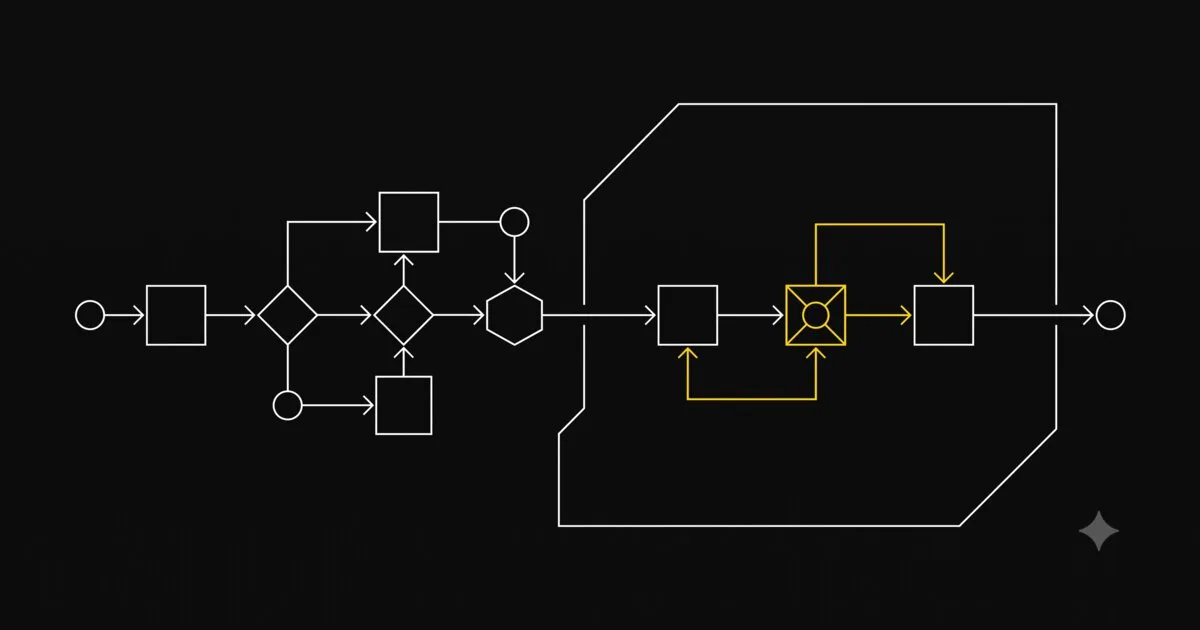
Three operators automated aggressively, then drew a boundary around what they kept for themselves. That boundary, not the tool stack, is what made each system work.
Read More →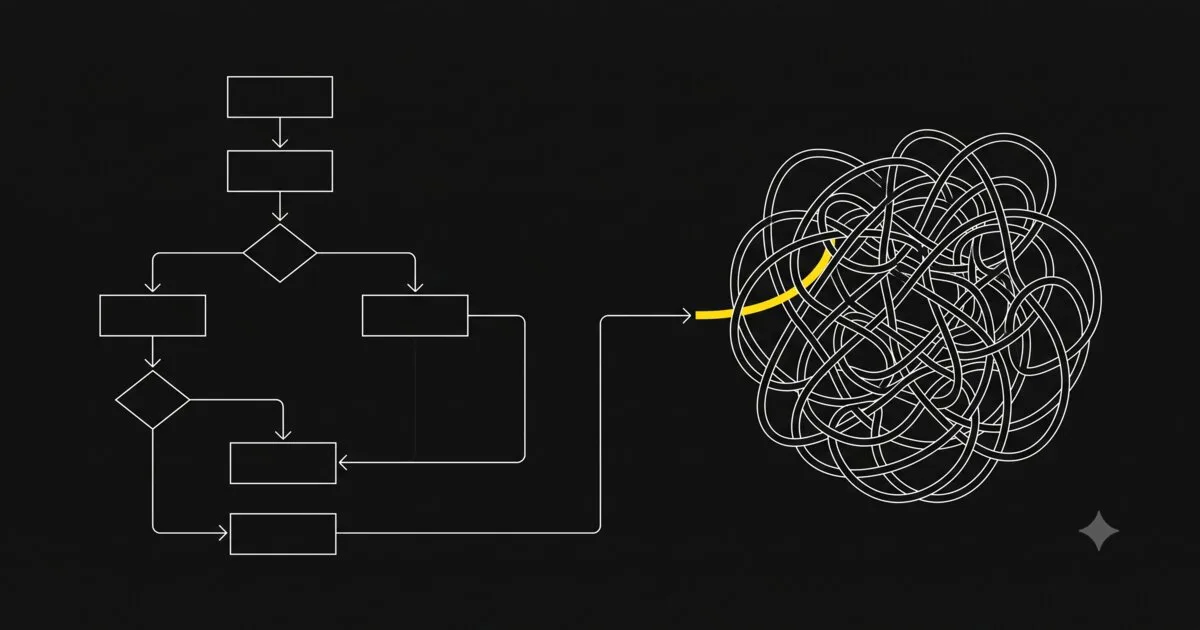
Vibe-coding tools promise a framework-to-app conversion in a day. That holds for demo-sized structure — and breaks the moment your framework has real complexity.
Read More →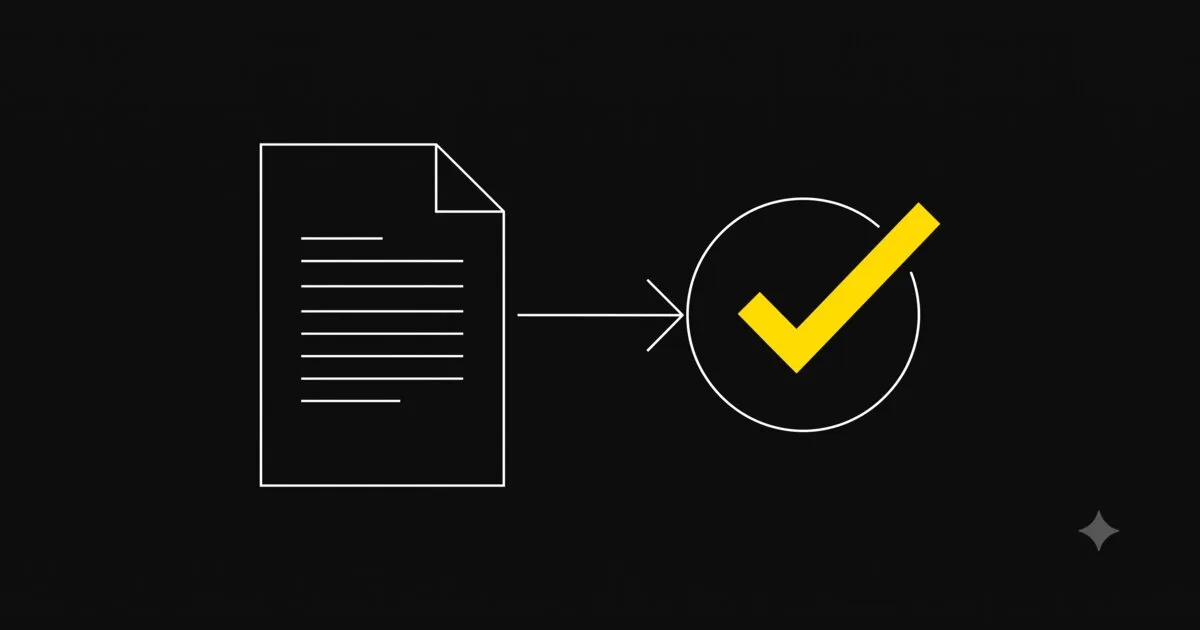
Making your content "interactive" was never about looking modern. It's about proving the framework actually works — something a static PDF can't do.
Read More →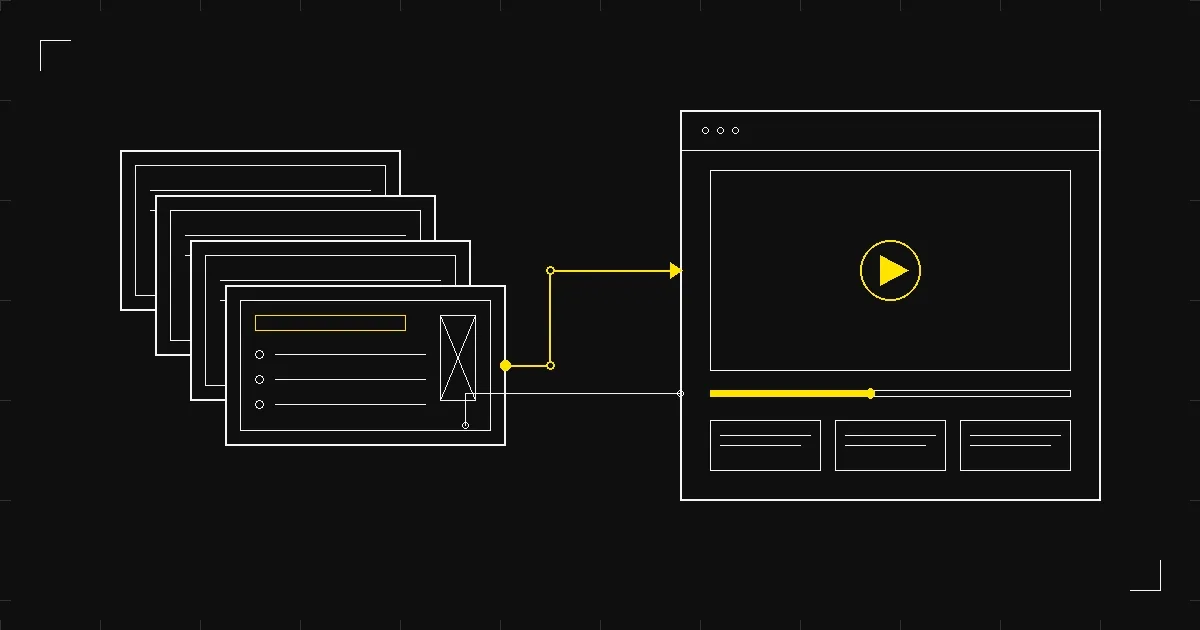
Your curriculum lives in a PDF or a slide deck. It should live where your students already are. Here's how to turn it into something they can actually use.
Read More →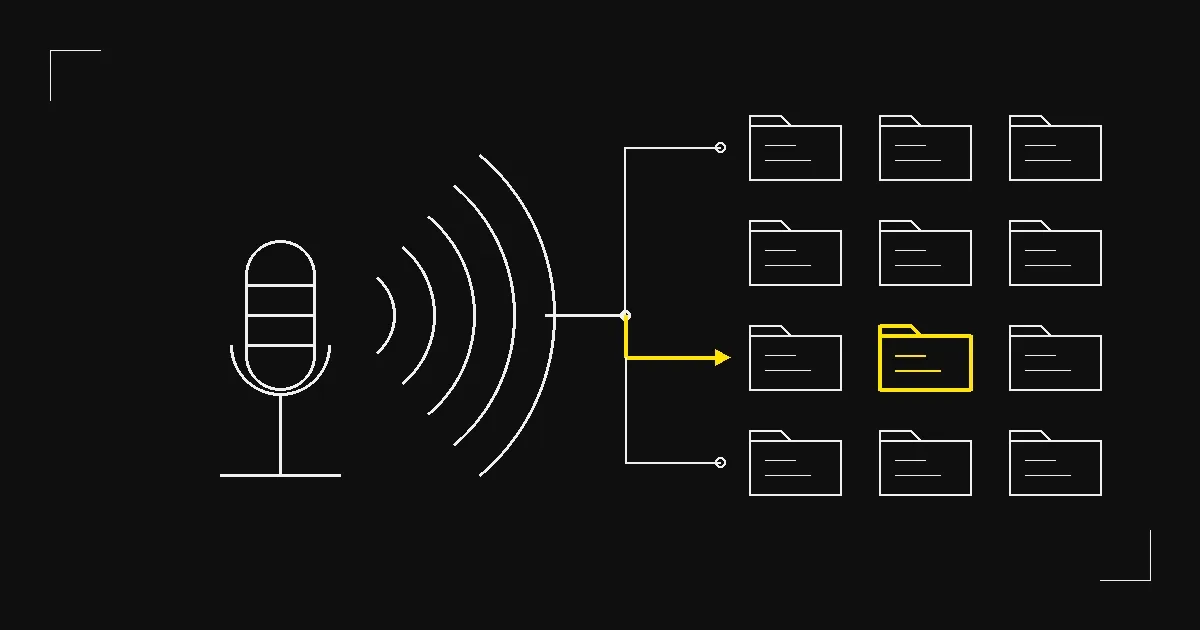
You have hundreds of hours of expertise on tape. Most of it is impossible to search, share, or act on. Here are five ways to fix that.
Read More →
Your book delivers value once. Here's how to turn its core framework into a companion tool readers actually use, and return to.
Read More →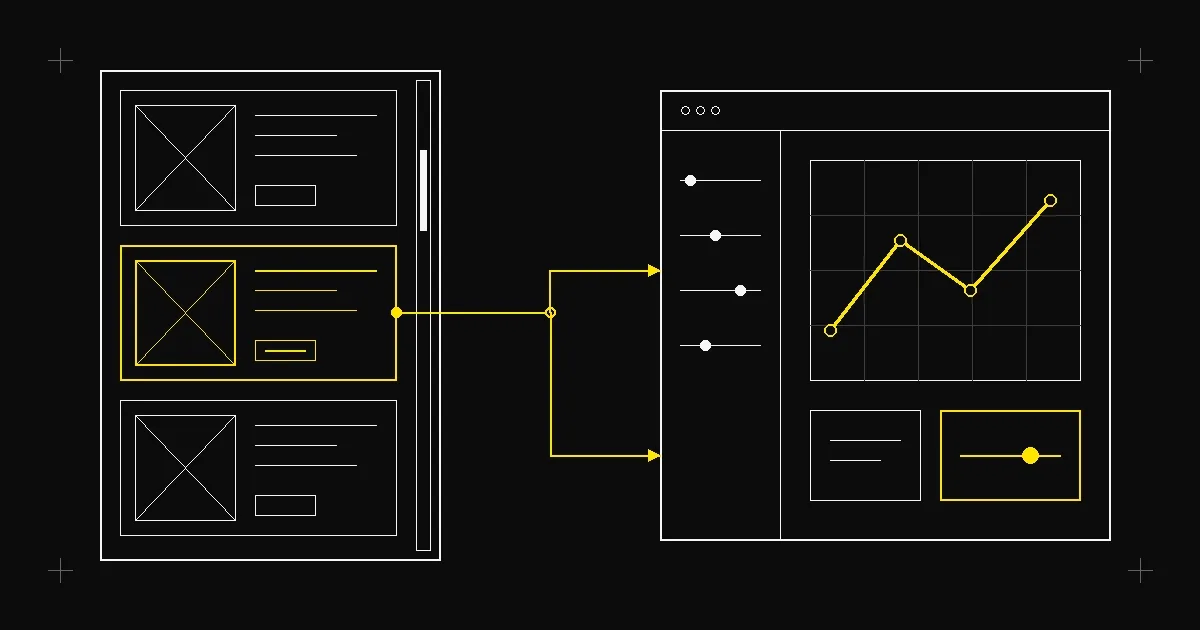
An audience that consumes your content is valuable. An audience that uses your content daily is compounding. Here's how to tell which of your ideas are ready.
Read More →
Your grading rubric already contains a framework students could use to evaluate their own work before submitting. Here's how to turn it into a tool.
Read More →
Your back catalog likely already contains the raw material for a tool. Here's a simple way to audit your episode archive and find it.
Read More →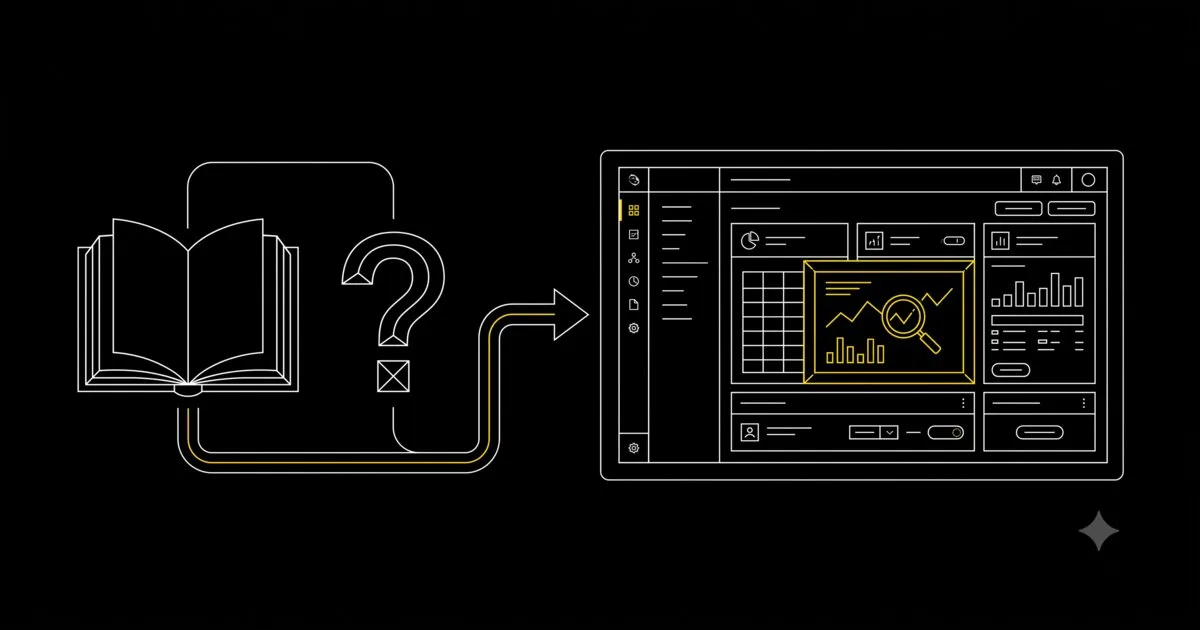
Not every book needs a companion tool. Here's a quick way to tell whether yours does, before you spend time and money building one.
Read More →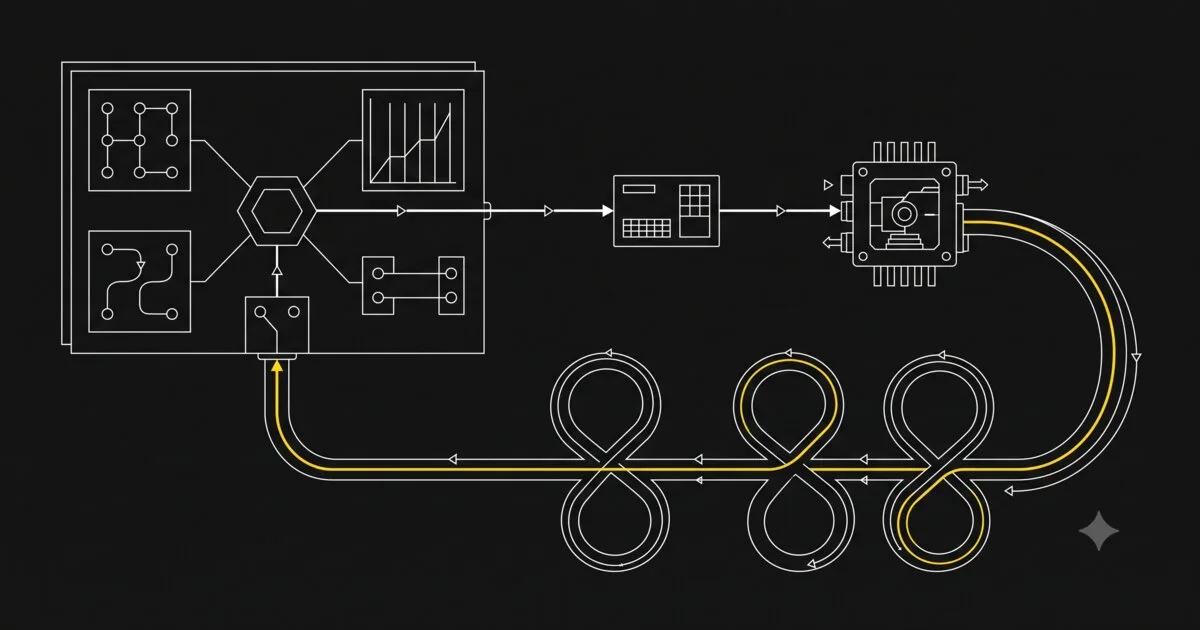
Most tools get used once and forgotten, same as content. Here's what separates a tool people bookmark and reuse from one they open once.
Read More →
Some courses would benefit enormously from an interactive practice tool, and most creators never notice the signs. Here's what to look for.
Read More →
If listeners keep asking the same questions in your inbox and DMs, you already have the content for a tool. Here's how to build it.
Read More →
Not every framework in your book is a good candidate for a tool. Here's how to spot the ones that are, and why decision-shaped ones work best.
Read More →
Don't guess at what to build. Your analytics already told you which idea resonates most — here's how to turn that post into a tool.
Read More →
A printable worksheet and an interactive practice tool aren't interchangeable. Here's how to tell which one a given lesson actually calls for.
Read More →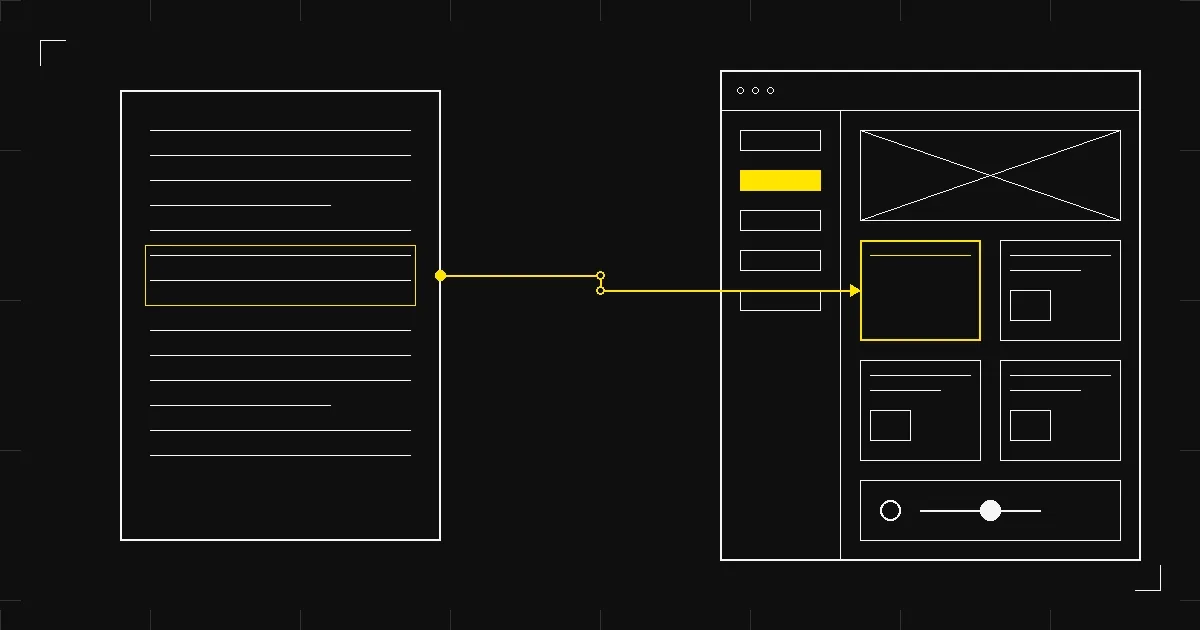
Most show notes are a paragraph and a list of links, published once and forgotten. Here's what they could be doing instead.
Read More →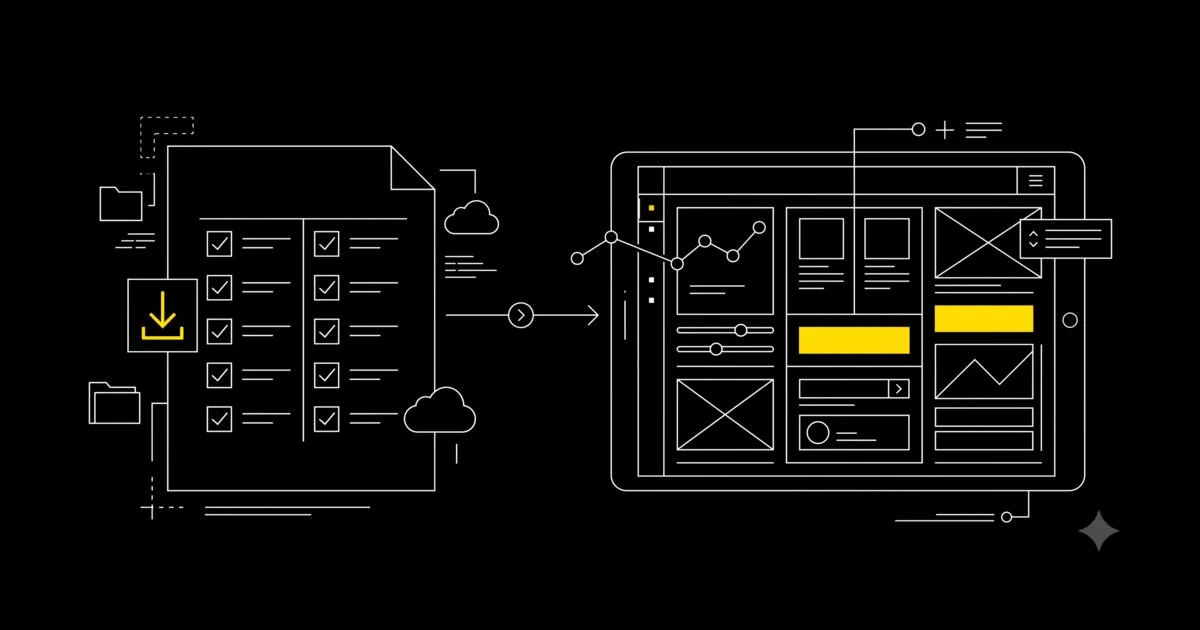
A PDF checklist gets downloaded once and forgotten. A companion tool gets opened every time a reader needs it. Here's why that matters.
Read More →
More content isn't the fix for an audience that's stopped engaging. Here's the real difference between content and utility.
Read More →No posts match your search.